A well-structured wedding day timeline is one of the most effective tools for reducing stress and keeping an event running smoothly. When couples understand how the day flows and how each element connects, decision-making becomes clearer and expectations stay realistic. A thoughtful timeline also allows vendors to perform at their best, ensuring the experience feels seamless rather than rushed.
Why a Wedding Timeline Matters
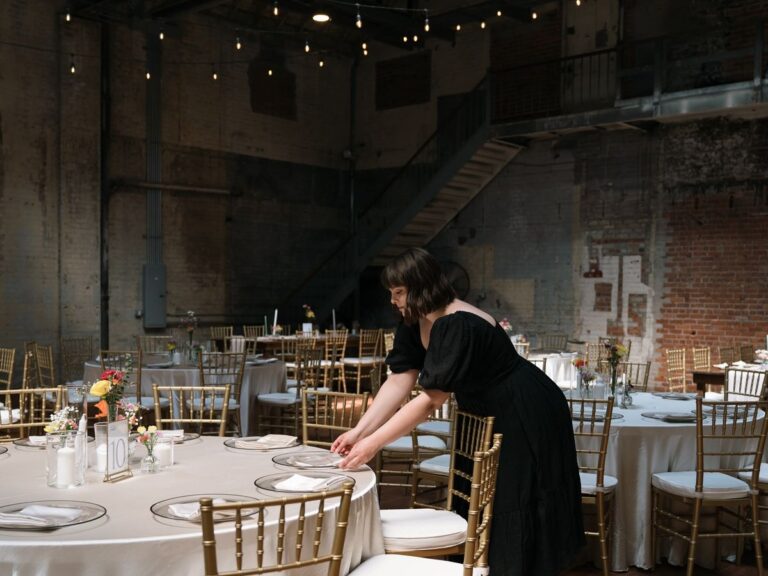
A wedding day involves many moving parts: venue access, vendor arrivals, setup, photography, ceremony timing, guest transitions, and breakdown. Without a clear plan, delays in one area can quickly affect the rest of the day. A timeline acts as a central reference point that aligns everyone involved and protects the overall experience.
From a planning perspective, timelines are not about rigidity. They are about creating structure that supports flexibility. When buffer time is intentionally built in, small delays do not feel disruptive, and couples are able to stay present rather than problem-solve in real time.
Starting With the Non-Negotiables
The foundation of a wedding timeline begins with fixed elements. These typically include venue access times, ceremony start time, noise ordinances, and vendor contract hours. Once these parameters are clear, the rest of the day can be layered around them in a realistic way.
Hair and makeup schedules, photography coverage, and transportation logistics should be determined early, as these often dictate when the day needs to begin. Many timeline issues stem from underestimating how long preparation and transitions actually take.
Building a Realistic Flow
A common planning mistake is scheduling events back-to-back with no margin for delays. A stress-free timeline includes buffer time between major moments, especially before the ceremony and during transitions such as moving from cocktail hour to reception.
For example, allowing extra time for getting dressed, family photos, or guest seating helps absorb unexpected delays without impacting the ceremony start. During the reception, spacing out formal moments such as entrances, speeches, and dances helps maintain energy while giving guests time to enjoy the evening naturally.
Coordinating Vendors Through the Timeline
Vendors rely on the timeline to coordinate setup, service, and breakdown. Sharing a finalized timeline with all vendors ensures everyone is working from the same expectations. This reduces miscommunication and allows professionals to anticipate needs rather than react to last-minute changes.
From catering and rentals to entertainment and floral design, clear timing allows vendors to focus on execution rather than logistics. This is one of the most overlooked benefits of a detailed timeline.
Allowing Space to Be Present
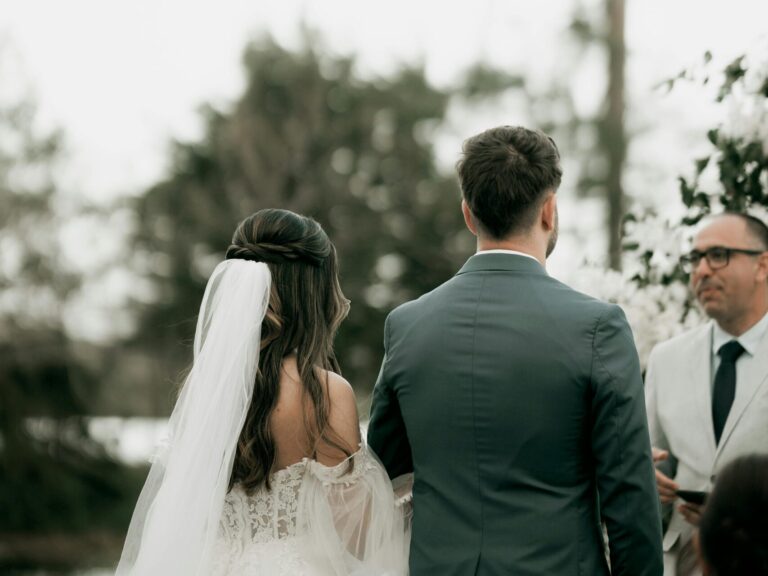
Beyond logistics, the purpose of a wedding timeline is to protect the couple’s experience. When the day is thoughtfully structured, couples are less likely to feel pulled in multiple directions. Time can be intentionally reserved for private moments, meaningful interactions, and rest.
A well-designed timeline supports the emotional flow of the day just as much as the practical one. When the structure is sound, the day feels calm, intentional, and grounded.
Final Thoughts
A wedding day timeline is not just a planning document. It is a tool that shapes the entire experience for couples, guests, and vendors alike. When built with realism, flexibility, and intention, it becomes the backbone of a celebration that feels effortless and well-paced.
If you are planning a wedding in Florida and are looking for professional planning or coordination support, Resonate Events and Floral LLC offers intentional wedding planning, design, and timeline management throughout Orlando and surrounding areas. Visit resonateeventsandfloral.com to contact us and begin the planning process.